FreeStyle Libre 3 – US
- 3.0
- Rating
- 1.00M
- Installs
- Free
- Price

 Analysis by App-foxy
Choosing a glucose-monitoring app is not only about whether it looks modern or has a familiar name. I look first at how well it fits the sensor or device I already use, how clearly it presents readings, and whether it helps me make sensible decisions during an ordinary day. FreeStyle Libre 3 – US is a medical app from Abbott Diabetes Care Inc. designed around the FreeStyle Libre experience, so its value depends heavily on using compatible Abbott equipment rather than treating it like a general-purpose health diary.
That distinction matters immediately. This is not an app I would install simply to explore glucose tracking. I would consider it when I use the relevant FreeStyle Libre system and want the manufacturer’s own mobile companion. For someone in that situation, the app can make monitoring feel more connected to daily life. For someone using another glucose meter, another continuous glucose monitor, or only occasional manual checks, it may be the wrong starting point.
How I would decide whether this app fits
My first decision criterion is compatibility. A medical app can be polished and still be useless if it does not work with the sensor or hardware in my hands. I would therefore check the exact FreeStyle Libre product intended for the US market, the phone’s operating system, and the current Abbott guidance before relying on it. The app supports Android 8.0 and later, which keeps it accessible to many older phones, but operating-system support alone does not guarantee that every phone model behaves identically.
You May Also Like

 Blood Strike: 2.5 Anniversary
Blood Strike’s Loadouts Turn Every Drop Into a Tactical Gamble
A close look at Blood Strike’s custom loadouts: how fast access to signature weapons reshapes its battle royale rhythm, rewards preparation, and narrows the gap between fights.

 Pandora - Music & Podcasts
Pandora’s Music Is Easy to Start, but Harder to Recover
Pandora’s strength is its low-effort path from a seed to a station. Its weak spot is how much confidence it asks you to place in connection, setup, and quiet recovery.

 8 Ball Pool
 Is Built on Rivalries, Rematches, and Routine
A close look at the rivalries, rematches, shared routines, and unanswered safety questions that turn a quick pool match into a persistent mobile community.

 Samsung Music
’s Quiet Strength Is Playing What You Already Own
Its reach comes less from spectacle than from dependable access to a personal library. That simplicity is both the app’s strongest retention engine and its ceiling.

 AccuWeather: Weather Radar
AccuWeather Review: A Quick, Clear Forecast for Everyday Decisions
For everyday plans, the best forecast is the one you can understand quickly. AccuWeather makes rain timing, radar, and local conditions easy to act on, with a few trade-offs.

 Hill Climb Racing
Why Hill Climb Racing Still Turns Crashes Into One More Run
A tiny car, a bumpy hill and one more upgrade: Hill Climb Racing keeps resurfacing because its simple chaos makes every near-miss feel personal.
More From Our News Desk
View All News


The second criterion is the kind of monitoring I want. A continuous glucose monitoring companion is most useful when I want a fuller picture of changes across the day rather than a single reading taken at a convenient moment. That can help me notice patterns around meals, exercise, sleep, commuting, or stressful appointments. It does not replace clinical judgment, and I would not use a graph as permission to ignore symptoms or instructions from my healthcare professional.
I also pay attention to the cost of changing systems. The app itself is free, and it is rated for Everyone, but “free” does not mean the whole monitoring setup costs nothing. Sensors, supplies, insurance arrangements, phone compatibility, and the effort of learning a new workflow can matter more than the download price. If I already use the matching Abbott system, the app is easier to justify. If I do not, switching involves more than installing an app.
The app has attracted more than a million installs, with an average rating of 3.1 from roughly twelve thousand ratings and about eight thousand seven hundred written reviews. I read that combination as a reason to be practical rather than dismissive. A large user base suggests that the app is relevant to many people, while the middling rating reminds me that medical software is judged under pressure: missed readings, connection trouble, confusing alerts, or an interrupted routine feel much more serious than a minor inconvenience in a casual app.
The everyday workflow I found most convincing
Imagine a weekday where I wake up, prepare breakfast, travel to work, eat lunch later than planned, and take a walk in the afternoon. The useful part of a connected glucose-monitoring workflow is not one isolated number. It is being able to look at the direction and context of readings as the day develops, then discuss recurring patterns with my care team instead of relying on memory.
I would use the app as a running record, not as an automatic decision-maker. Before changing medication, correcting a high or low reading, or treating an unfamiliar symptom, I would follow my prescribed plan. If a reading does not match how I feel, I would treat that mismatch seriously and use the confirmation method recommended for my situation. A phone screen can organize information, but it cannot examine me or understand the full clinical context.
One practical habit is to review patterns at a calm time rather than only during a stressful event. I might look back after a few days and notice that a particular routine repeatedly produces a change. That observation is more useful when I can explain what I ate, how active I was, whether I was unwell, and whether anything unusual happened. The app can support that conversation, but the quality of the conversation still depends on the notes and judgment I bring to it.
Where the Abbott approach works well
The strongest reason to choose this app is continuity. When the phone app belongs to the same ecosystem as the FreeStyle Libre system, I do not have to build a separate tracking method around handwritten readings or repeatedly move information between unrelated tools. That can reduce small points of friction, especially for people who want their glucose information available during normal phone use.
I also like the idea of reviewing trends instead of becoming fixated on a single result. A single reading can be affected by timing, food, activity, stress, illness, or an imperfect comparison with symptoms. Looking at a sequence gives me a better basis for questions such as whether a routine is consistent or whether a particular situation deserves attention. The important trade-off is that more information can also encourage overchecking. I would set boundaries around when I review the app so that monitoring supports my day instead of dominating it.
Another less obvious strength is the app’s role in preparing for appointments. Rather than trying to remember an entire week, I can arrive with a clearer sense of when changes occurred and what was happening around them. I would still avoid drawing conclusions from a chart alone. The best use is to turn the record into focused questions for a clinician: what pattern matters, what should be changed, and what should be watched for next?
For families or caregivers, the decision becomes more personal. A shared monitoring routine may make it easier to stay aware of important changes, but visibility does not remove the need for agreed boundaries and a clear response plan. I would discuss who checks information, what counts as urgent, and when to call a healthcare professional. The app should support communication, not create the impression that a relative can safely manage every situation from a distance.
Small habits that make the experience more dependable
I would begin by checking the phone before I depend on it during an important day. That means confirming the app is installed correctly, notifications behave as expected, the phone has enough battery, and the sensor workflow is familiar. A short test at home is much better than discovering a problem while traveling, exercising, or dealing with symptoms.
I would also keep a backup plan. A phone is not the same thing as a complete medical safety system. Battery loss, a damaged device, an operating-system change, or an interrupted connection can leave me without the view I expected. The appropriate backup depends on my treatment plan, so I would follow the instructions from Abbott and my healthcare professional rather than inventing one from an online comment.
A third useful habit is separating technical troubleshooting from clinical decisions. If the app behaves unexpectedly, I would first check the official support instructions and the sensor or phone setup. I would not repeatedly change treatment just because a screen looks different after a technical interruption. That separation is easy to overlook, but it prevents an app problem from becoming a health decision.
Where another category may fit better
The usual alternatives fall into a few broad groups. Traditional glucose-meter apps are often a better fit for people who prefer occasional finger-stick measurements, already own a compatible meter, or do not want a continuous sensor routine. They can feel simpler because the user controls when a reading is taken, although that also means they may show a less complete picture between checks.
Other continuous glucose monitoring ecosystems may suit someone whose current sensor, phone, clinician workflow, or insurance arrangement is built around a different manufacturer. In that case, changing to FreeStyle Libre 3 – US only for the app would make little sense. The right companion is usually the one that matches the hardware and the care plan already in place, not the one with the most appealing screenshots.
General wellness and food-tracking apps are another alternative, but I would not treat them as substitutes for a medical monitoring companion. They may be useful for logging meals, activity, or habits, yet they do not automatically provide the same relationship to glucose data as a dedicated Abbott app. Conversely, a person who only wants lifestyle journaling may find a medical app too focused and burdensome.
I would skip this app if I am looking for a standalone glucose diary with no compatible FreeStyle Libre setup. I would also pause if I dislike phone-based monitoring, cannot keep a phone charged, or know that frequent alerts would increase my anxiety. In those cases, a different monitoring method may be more sustainable, even if it appears less advanced.
What switching really costs
The download has no charge, which removes one barrier, but the practical cost of switching is measured in setup time, supplies, habits, and confidence. I would need to learn the new workflow, make sure my phone is suitable, understand how information is presented, and decide how the app fits with appointments and my existing records. If another system is already working reliably, those costs deserve serious attention.
There is also a learning cost for anyone who has been using occasional readings. Continuous information can be helpful, but it may expose more fluctuations than expected. I would want guidance on which patterns matter and which short-term changes are normal for my situation. Without that context, a richer stream of information can produce unnecessary worry rather than better decisions.
The current version is 3.6.6, and the app was released on May 27, 2022. I would not interpret an older release date by itself as a reason to reject it, but I would keep the app updated through the official store and pay attention to Abbott’s compatibility guidance. Medical apps sit close to the operating system, sensors, notifications, and account workflows, so maintenance matters more than it does for a simple calculator.
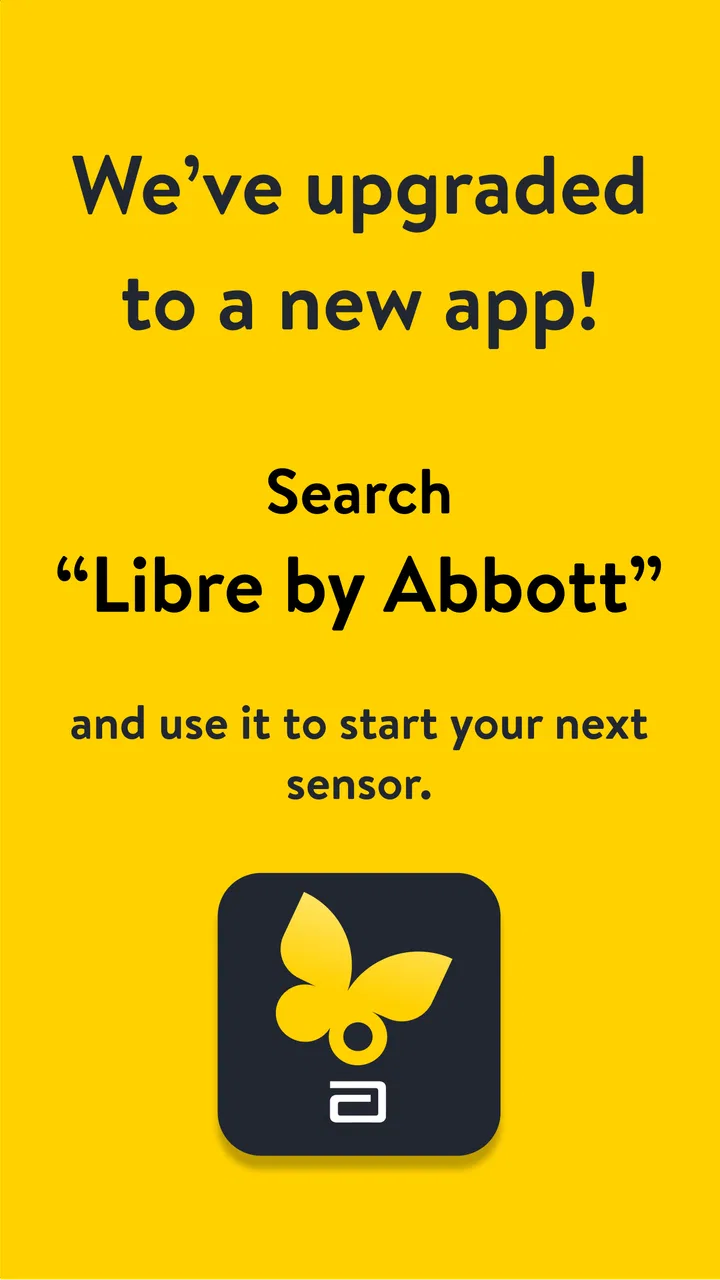
The store summary explicitly points users toward “Libre by Abbott” as the latest app. That is an important practical warning. If I were downloading today, I would verify that I am choosing the current Abbott app rather than assuming this older listing is the correct destination. Existing users should be especially careful before uninstalling anything, because changing apps during an active monitoring routine can create avoidable disruption. I would follow Abbott’s migration instructions and make sure I understand what happens to access and continuity before making a change.
My recommendation for different users
For a person already using the relevant FreeStyle Libre system in the US, I would consider this app a sensible companion, provided the phone and workflow are compatible. Its main advantage is not a flashy extra feature; it is keeping glucose information close to the system that produces it. I would use it alongside a clear treatment plan, a backup approach, and regular conversations with a healthcare professional.
For someone comparing monitoring ecosystems from scratch, I would not choose based on the app alone. I would compare the complete system: sensor availability, clinical support, phone compatibility, replacement process, coverage, and how comfortable I feel interpreting the information. A free app can be part of a worthwhile setup, but it is not the whole setup.
For an occasional checker, a traditional meter and a simpler logging routine may be less distracting and more appropriate. For someone whose clinician has recommended another continuous monitor, I would stay with that prescribed pathway unless there is a clear reason to discuss a change. And for anyone experiencing symptoms that do not match the screen, I would prioritize the recommended confirmation and medical advice rather than trying to solve the discrepancy inside the app.
My overall view is cautiously positive, with one major condition: this is a companion for the FreeStyle Libre ecosystem, not a universal diabetes-management app. Abbott Diabetes Care Inc. gives users a free way to bring their monitoring routine onto a phone, and that can be genuinely useful in a busy day. The experience is less convincing when compatibility, alerts, battery habits, or the transition to the newer “Libre by Abbott” app are unclear.
My recommendation is to choose it for continuity, not curiosity. If it matches the sensor and care plan I already use, I would give it a careful trial and build dependable habits around it. If I am starting with different hardware or want only a basic manual log, I would choose the alternative that creates fewer changes. In medical technology, the best app is the one I can use consistently, understand responsibly, and support with a realistic plan when the phone is unavailable.
FAQs for FreeStyle Libre 3 – US
01What is FreeStyle Libre 3 – US, and how does it work?
FreeStyle Libre 3 – US is a continuous glucose monitoring system that provides real-time glucose readings on your smartphone. It uses a small sensor applied to the skin, which continuously measures glucose levels in the interstitial fluid. The app connects to the sensor via Bluetooth, allowing users to track their glucose trends and patterns without finger pricks.
02Is the FreeStyle Libre 3 – US app compatible with all smartphones?
The FreeStyle Libre 3 – US app is compatible with a wide range of Android and iOS devices. However, it is essential to check the specific compatibility requirements on the app’s official download page to ensure your device meets the necessary specifications. Regular updates may expand compatibility over time.
03How secure is my health data when using FreeStyle Libre 3 – US?
The FreeStyle Libre 3 – US app prioritizes user privacy and data security. It uses encryption to protect your personal health information, and data is stored securely. Users can manage data sharing settings within the app, ensuring that only authorized individuals have access to their glucose readings.
04What are the main features of FreeStyle Libre 3 – US?
FreeStyle Libre 3 – US offers several key features, including real-time glucose monitoring, customizable alerts for high or low glucose levels, trend analysis, and reports that can be shared with healthcare providers. The app also provides insights into how food, activity, and medication affect glucose levels, helping users manage their diabetes more effectively.
05Are there any costs associated with using FreeStyle Libre 3 – US?
While the FreeStyle Libre 3 – US app itself is free to download, users need to purchase sensors separately. These sensors are worn on the body and are essential for the app to function. Check with your healthcare provider or insurance for potential coverage of sensor costs, as this may vary.
Pros
- Easy to use with minimal setup.
- Real-time glucose monitoring.
- Discreet and compact sensor.
- User-friendly app interface.
- Comprehensive data analytics.
Cons
- Limited compatibility with devices.
- Sensor can occasionally detach.
- Requires frequent app updates.
- Not suitable for all skin types.
- Data sharing can be complex.

FreeStyle Libre 3 – US
Gallery